Identity before labels
A diagnosis, setback, behavior, or score may describe part of an experience. It does not define the whole person.

The Center for Trait-Based Transformation helps people and organizations begin with what is strong, then build the awareness, balance, and capacity to keep growing.
People are more than the hardest chapter of their lives.
Too many systems begin by cataloging what is wrong. The Center was created to offer a more human starting point: recognize the capacities already present, understand how they operate under pressure, and develop the balance needed for the moment ahead.
Our mission is to transform the way people grow by strengthening identity, resilience, connection, purpose, and responsible influence across the lifespan.
A diagnosis, setback, behavior, or score may describe part of an experience. It does not define the whole person.
Traits are not fixed categories. They are human capacities that can be understood, practiced, balanced, and applied.
The developmental tools belong to the person, so growth can continue after a class, session, intervention, or program ends.
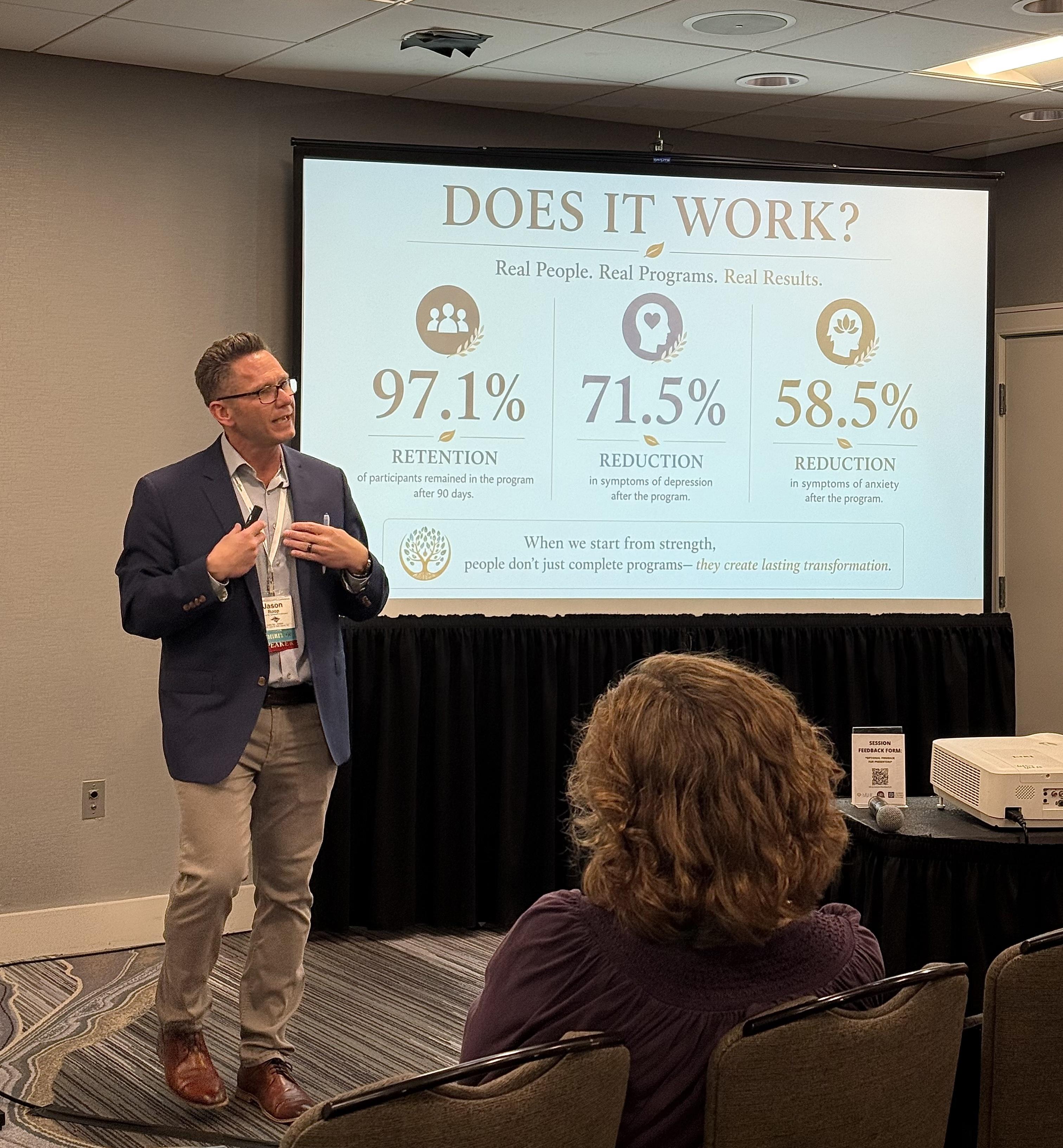
After 17 years of active addiction and homelessness, Jason Roop entered recovery in 2013. Recovery opened a path forward, but it also revealed something important: the traits that help a person survive difficult circumstances do not disappear when life changes.
That question became a rigorous academic and applied journey. Research, field experience, program development, and collaboration shaped the Trait-Based framework, then expanded it into a connected developmental system used across recovery, education, justice, community, and leadership settings.

Long before Jason could explain the strengths within a person, his mother taught him to look for them.
“Always see the good in someone,” she would tell him.
During years when addiction and homelessness brought fear, exhaustion, and hurt, Anna Jean Roop continued to see good in her son. The questions that later led Jason into recovery, research, and the work that became Start from Strength began with the way she taught him to see people: as more than their hardest chapter.
In recognition of the belief she carried before the framework had a name, the Center honors Anna Jean Roop as its Honorary Founder.
The names serve different purposes. Together, they create a clear path from research and developmental theory to the experience people encounter in schools, recovery, leadership, and community life.
The organization responsible for research, development, partnerships, training, implementation, and continuous improvement.
The developmental framework, methodology, research base, and architecture that explain how human capacities are recognized, balanced, and developed.
The accessible, public-facing experience through which people use the model, share its language, and continue growing across settings and stages of life.
The Experience Guides are part of a broader ecosystem that also includes the Reflection System, assessments, longitudinal measurement, facilitator development, university-backed training, implementation support, and research.
The Center expresses one shared framework through three primary umbrellas, allowing each audience to encounter language and tools that fit its real-world context.
Build identity, resilience, emotional capacity, and belonging before crisis becomes the defining story.
Explore Prevention →Restore balance, rebuild identity, discover purpose, and develop the capacities that support life beyond survival.
Explore Recovery →Strengthen self-awareness, ethical influence, balanced decision-making, and cultures where people can grow.
Explore Leadership →The Center’s leadership brings together research, recovery, education, facilitation, program development, and systems-level implementation.
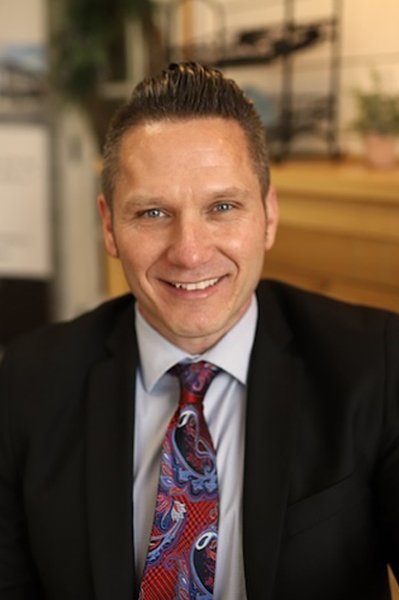
Jason leads the development and implementation of the Trait-Based framework across prevention, recovery, and leadership. His work integrates lived experience, research, and systems-level innovation to strengthen identity, balance, resilience, and responsible influence.
A researcher, author, and national speaker, Jason earned his PhD in Business Management and Leadership in 2022. He has served as a commissioner on the Kentucky Opioid Abatement Advisory Commission and collaborates with schools, treatment providers, justice systems, and community organizations.
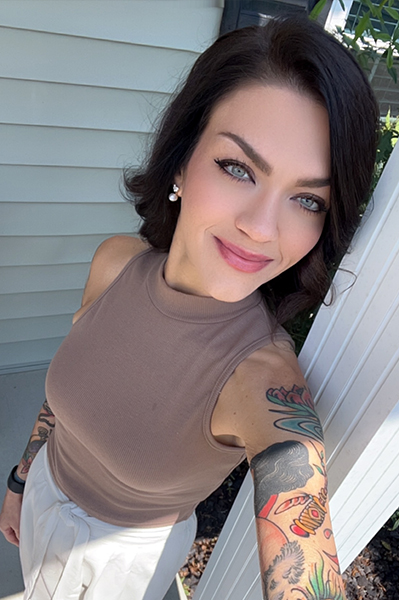
A certified peer support specialist and co-creator of the Trait-Based Models of Recovery and Prevention, Amanda brings more than 12 years of school-system experience, trauma-informed practice, and lived recovery experience to curriculum, training, facilitation, and participant support.
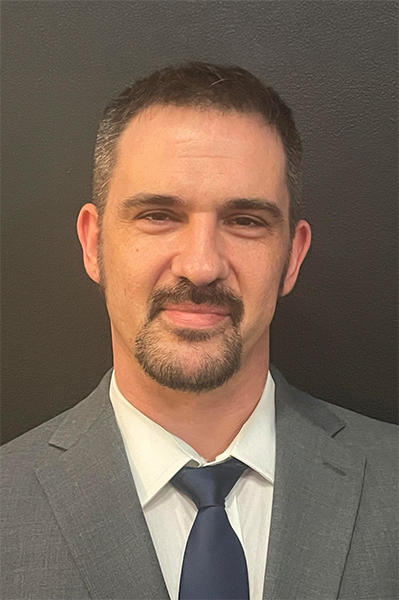
Nick brings recovery leadership, peer-support training, program administration, and executive experience to the Center. His engaging facilitation blends philosophical inquiry, practical leadership, lived experience, and creative approaches to growth.
The Center combines lived knowledge with behavioral science, measurable outcomes, program evaluation, and continuous improvement because meaningful human development deserves both humanity and rigor.
These collaborations carry one developmental architecture into schools, recovery, justice, workforce, and community settings while honoring what each environment needs.
Across a growing network of implementation settings










Whether you support young people, recovery, communities, or organizational leadership, the conversation begins by understanding what your people need and what is already present.