













The home of the framework, research, professional development, and partnerships.
New community rolloutBring Start from Strength to your community →
One framework. Multiple applications.
Start from Strength.
A developmental experience that helps people understand who they are, strengthen what is already within them, and carry that growth into recovery, learning, relationships, work, community, and leadership.
The developmental architecture that explains how internal capacities can be understood, balanced, and strengthened.
The public-facing language, tools, learning, reflection, and support people carry into life.
Choose the experience that fits your setting
Three primary pathways. One shared developmental foundation.
Whether you are supporting young people, rebuilding your life, or helping others grow, there is a place to begin. Each pathway brings the Trait-Based Model into the experiences and decisions that matter in your setting.
Prevention
Build identity, protective factors, self-leadership, connection, and purpose before risk becomes the defining story.
Explore PreventionRecovery
Restore identity, strengthen balance, grow recovery capital, and create continuity beyond the program.
Explore RecoveryLeadership
Strengthen perception under pressure, regulate presence, develop people, and shape healthier cultures.
Explore LeadershipMeet the Trait-Based ModelThere is more to you
There is more to you
than you may have learned to see.
The way you keep going. The care you bring to others. The moment you pause and choose a different response. Your strengths are already part of your life. Understanding them gives you more say in how you use them.
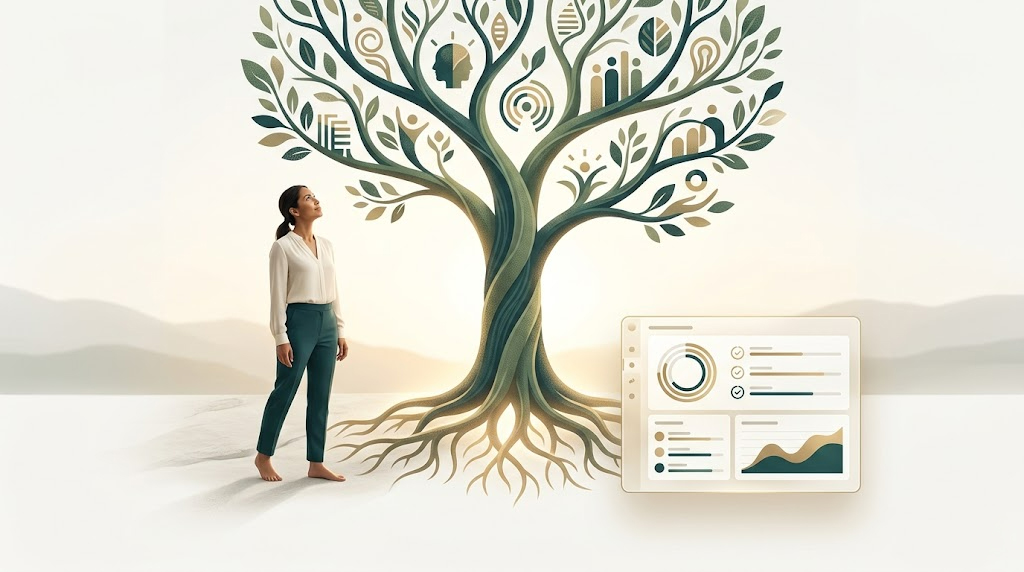
The Tree of Traits
Ten traits. A fuller picture of you.
Strength grows through the relationship
between Grit, Grace, and Balance.
Recognize yourself here
What does strength look like in your life?
Choose a part of the tree to explore. Each one brings something essential to how we live, relate, and respond.
The strength to keep going
You care enough to try again.
Grit helps you stay with what matters, recover from setbacks, and follow through. It also asks for awareness: when has holding on become an unwillingness to change direction?
A question to sit with
Where would a different approach help me keep moving toward what matters?
The space to choose your response
You notice what is happening within you.
Balance brings self-awareness, emotional intelligence, authenticity, and creativity together. In a difficult conversation, it can help you recognize your reaction, stay honest about what matters, and find another way to respond.
A question to sit with
What am I feeling, and how do I want to show up in this moment?
The strength to connect
Explore the full Trait-Based Model
You can care deeply and still have boundaries.
Grace helps you understand others, appreciate what is meaningful, and encourage possibility. Balance helps that care remain honest, so being there for someone includes being honest about what you can give.
A question to sit with
How can I care for this person while respecting what I need, too?
Your own starting pointSee what you recognize.
See what you recognize.
Discover what you can develop.
The free Trait & Hero Discovery Assessment invites you to explore your traits and the patterns in how you approach life. The Hero archetypes offer another way to reflect on how you meet challenges, connect with others, and express your strengths.
Your results are a starting point for reflection and growth. You can return to them as you learn more about yourself.
A little curiosity.
A new perspective.
See your result on screen and receive your full Trait & Hero Discovery report by email.
Take the free assessment Open to anyone curious about their strengths.
The Continuity Gap
Human development is continuous. Most systems are episodic.
People live between sessions, semesters, treatment phases, programs, and leadership roles. Growth loses momentum when language, identity, and support do not travel with them.
1
Across settings
From classrooms and communities to treatment, justice, and the workplace.
2
Across stages
Before crisis, through restoration, and into responsible influence.
3
Across relationships
A shared language for individuals, families, facilitators, leaders, and organizations.
From understanding to everyday life
A discovery becomes something you can live from.
Recognizing a strength is a beginning. Learning, reflection, and practice help you use it in a conversation, a difficult decision, or the next step you take. Each part of Start from Strength supports that continuing work.
Begin with yourself.
The Trait & Hero Discovery Assessment opens a conversation about the strengths and patterns you recognize in your life.
Explore your traits →Give insight room to grow.
Experience Guides introduce the learning journey. Workbooks make it personal through reflection and application, including ten connected Prevention editions for Grades 3–12.
Meet the workbook series →Return to what matters.
The Reflection System deck and its free Companion Guide PDF bring thoughtful questions into daily life, on your own or in conversation with someone you trust.
Explore the Reflection System →The people and support around the learning
Growth happens together.
Facilitators help people connect what they are learning with what they are living. Schools, organizations, families, and communities give that shared language a place to take root.
Explore facilitator training →Learning from the work
Assessments, reporting, research, and implementation support help organizations understand participation and progress, and keep improving the experience.
Strength Spark supports ongoing reflection for partner organizations and is included with active organizational licensure. Explore organizational access →
Evidence in practice
A framework designed to be examined.
Published research, school findings, justice diversion outcomes, case studies, and participant experience help show where the work is promising and where further study is still needed.
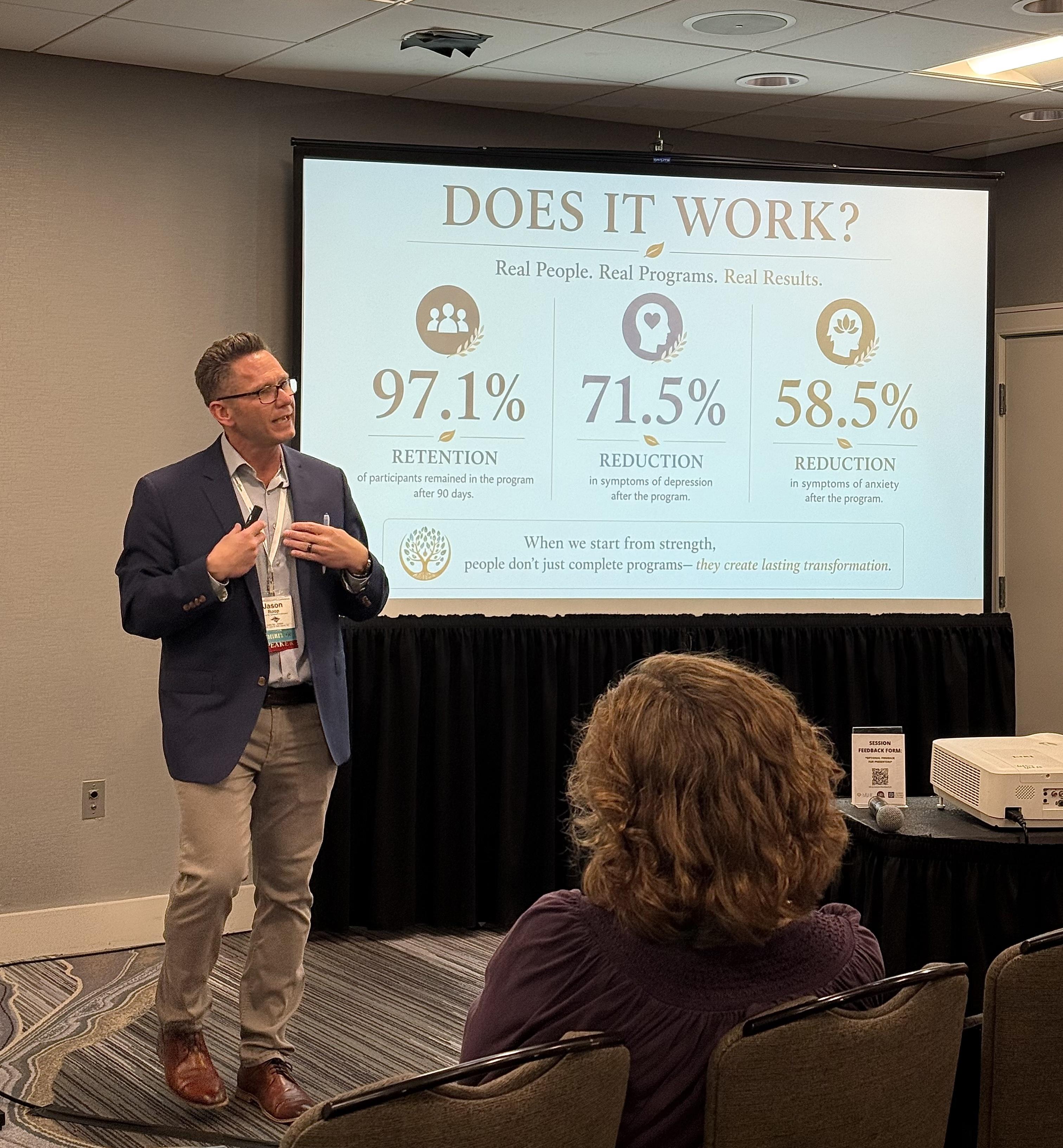
97.1%retained at 90 days in a published recovery study
71.5%reduction in depression symptoms after the program
58.5%reduction in anxiety symptoms after the program
These figures come from the published recovery study and should not be treated as guaranteed results across every person, organization, or application. Other settings are reported separately with their own methods and limitations.
What people experience
The outcomes matter. So do the voices behind them.
Across individual, school, and leadership settings, people describe a shift in how they see themselves, understand others, and recognize what can be developed next.
“
I have definitely learned to find my strength in the dark, and it can shine as bright as the stars.Brigette T. · Recovery participant
“
We want Trait-Based for everybody!Stephanie Boncher · Principal, MPSD Lakeshore School of Innovation
“
That awareness has changed how I make decisions, respond under pressure, and show up for my team.Morgan Albert · Trait-Based Leadership certificate graduate
From the field
The work is moving.
New partnerships, tools, credentials, events, research, and lessons from implementation now have a permanent home.
From the Center
New research · Frontiers in Psychology
Follow what is becoming possible.
From the Center is the living record of the people, partnerships, ideas, and moments moving Start from Strength forward.
What changes when we measure strengths alongside symptoms?
Dr. Jason Roop explores the questions behind his latest research and what they could mean for the next chapter of the Trait-Based Model.
PartnershipsMcKinley moves Start from Strength wall to wall.
LeadershipA published framework becomes a university-backed credential.
New toolsThe Start from Strength Reflection System is available.
Built with people who are doing the work.
A growing network of schools, recovery organizations, communities, public agencies, and university partners is helping test, strengthen, and carry the model forward. Meet the partners.
Eastern Kentucky UniversityProfessional certificates and workforce development.
Manitowoc Public School DistrictStart from Strength across student pathways.
Garrard County SchoolsStudent development and measurable outcomes.
Albuquerque Diversion PartnershipIdentity-centered community diversion.
Shepherd's House, Lexington, KentuckyCommunity-based recovery implementation.
Freedom 4 YouthYouth development in Santa Barbara, California.
My Brother's KeepersResidential inpatient treatment in Mount Vernon, Kentucky.
Asbury Start from Strength ProjectGrant-supported community recovery programming.
Not sure where to begin?
Start with the assessment.
Explore the Trait and Hero Assessment to begin recognizing the capacities, patterns, and strengths already present.
Bring Start from Strength to your organization
Start with what is strong. Develop what comes next.
Whether you serve young people, support recovery, strengthen communities, or lead organizations, we can help you choose an implementation path that fits your setting, capacity, and goals.
Choose individual or group access, or discuss an organizational pilot beginning at $5,000. Annual licenses are tiered by the number of people served, with scope agreed before you begin. Explore access and pricing.